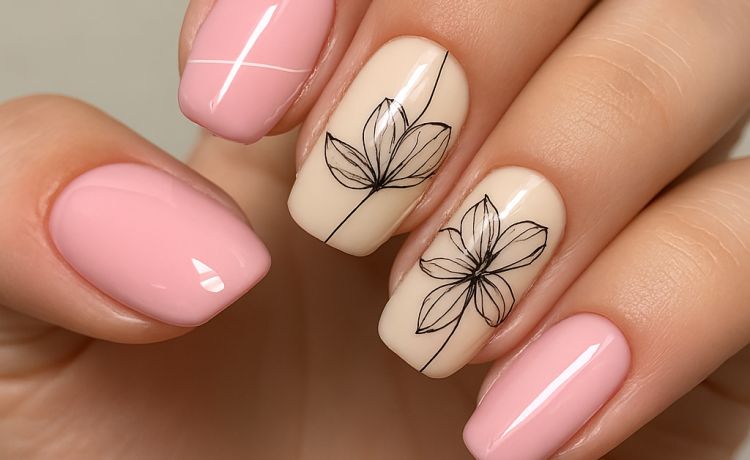

Introduction
Nail art has always been more than just decoration—it is a cultural statement, a form of self-expression, and a reflection of technological progress. Among the many innovations in the beauty industry, gel nail art stands out as a transformative practice. It combines science and artistry, offering long-lasting shine, resilience, and endless design possibilities. From its origins in the 1980s to its dominance in salons today, gel nails have reshaped how people view nail care and fashion.
Historical Background
- Ancient Nail Art Roots: Nail decoration dates back over 5,000 years. Egyptians used henna to stain nails, symbolizing wealth and status. In China, royals adorned nails with gold and silver powders. These traditions laid the foundation for nail art as a cultural practice.
- Rise of Acrylics: By the mid-20th century, acrylic nails dominated the beauty industry. They were durable but often harsh on natural nails.
- Birth of Gel Nails (1980s): Chemists in Europe developed light-cured polymer technology, introducing gel nails as a flexible, less damaging alternative to acrylics. This innovation quickly spread worldwide.
What Makes Gel Nails Unique
- Durability: Gel nails resist chipping and can last up to three weeks.
- Shine: Their glossy finish remains intact longer than traditional polish.
- Flexibility: Unlike acrylics, gels feel more natural and lightweight.
- Customization: Gel nails can be sculpted, extended, or decorated with intricate designs.
Techniques in Gel Nail Art
- Base Application
- Nails are cleaned, shaped, and buffed.
- A base coat is applied and cured under UV or LED light.
- Color & Design
- Gel polish is layered and cured.
- Artists use brushes, stamps, or stickers for designs.
- Mapping Designs
- “Mapping” refers to planning nail art across all fingers for symmetry and creativity.
- Examples: alternating colors, gradient effects, or thematic sets (e.g., floral, geometric).
- Top Coat & Finish
- A protective top coat seals the design.
- Nails are cured again, ensuring durability and shine.
Popular Gel Nail Art Trends
- Minimalist Lines & Shapes: Clean geometric patterns appeal to modern aesthetics.
- Floral & Nature-Inspired Designs: Soft petals, leaves, and earthy tones dominate spring collections.
- Chrome & Metallic Finishes: Reflective gels create futuristic looks.
- Seasonal Themes: Snowflakes in winter, neon in summer.
- Celebrity Influence: Stars like Billie Eilish and Kylie Jenner showcase bold gel designs, fueling global trends.
Cultural Significance
Gel nail art is not just fashion—it’s identity.
- Self-Expression: Designs reflect personality, mood, or cultural heritage.
- Social Media Impact: Platforms like Instagram and TikTok amplify trends, making nail art a global conversation.
- Professional Empowerment: Nail technicians have built careers and communities around gel artistry.
Benefits and Challenges
Benefits
- Long-lasting beauty
- Protection for natural nails
- Endless creative possibilities
Challenges
- Removal Process: Improper removal can damage nails.
- Cost: Gel manicures are more expensive than traditional polish.
- UV Exposure: Though minimal, repeated curing under UV lamps raises concerns.
The Future of Gel Nail Art
- Eco-Friendly Gels: Brands are developing non-toxic, biodegradable formulas.
- Smart Nail Technology: Concepts like LED-embedded nails or color-changing gels are emerging.
- DIY Kits: Home gel nail kits are becoming more accessible, democratizing nail art.
Conclusion
Gel nail art represents the perfect marriage of science and creativity. From its humble beginnings in the 1980s to its current global popularity, it has revolutionized beauty standards. More than a trend, gel nails are a cultural phenomenon—an artistic canvas at our fingertips. As technology advances, the future promises even more innovative ways to express individuality through nail art.
